
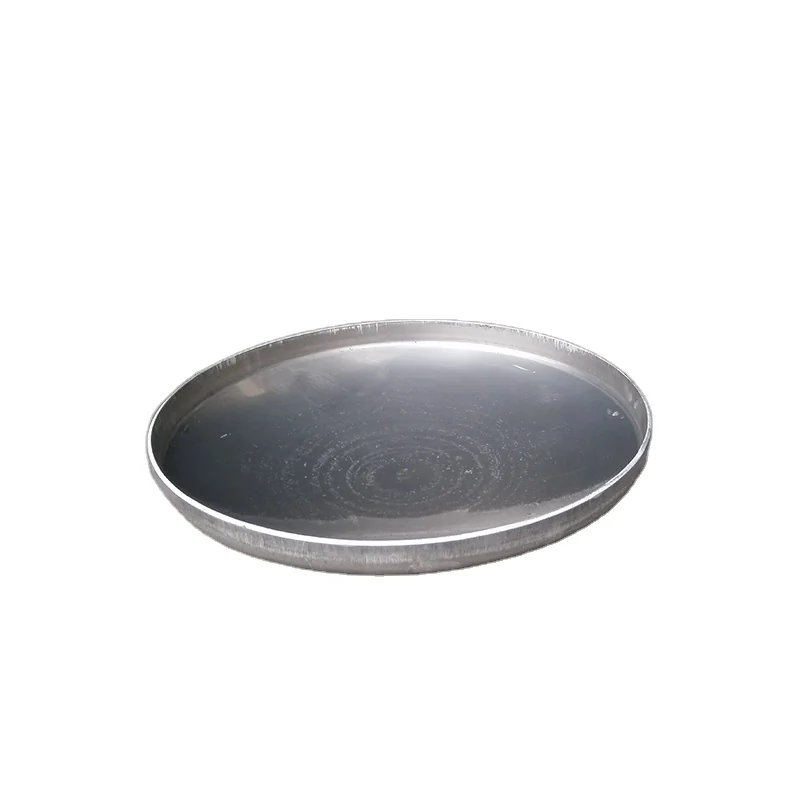
Heads, bottoms and formed profiles
for vessel and tank requirementsTank Head Shapes
Choose the intended geometry, then confirm the material, dimensions and documentation for the actual drawing. The head shape alone does not define a pressure-vessel design or a manufacturing standard.
Start with the specification you have. Identify the details that still need discussion.
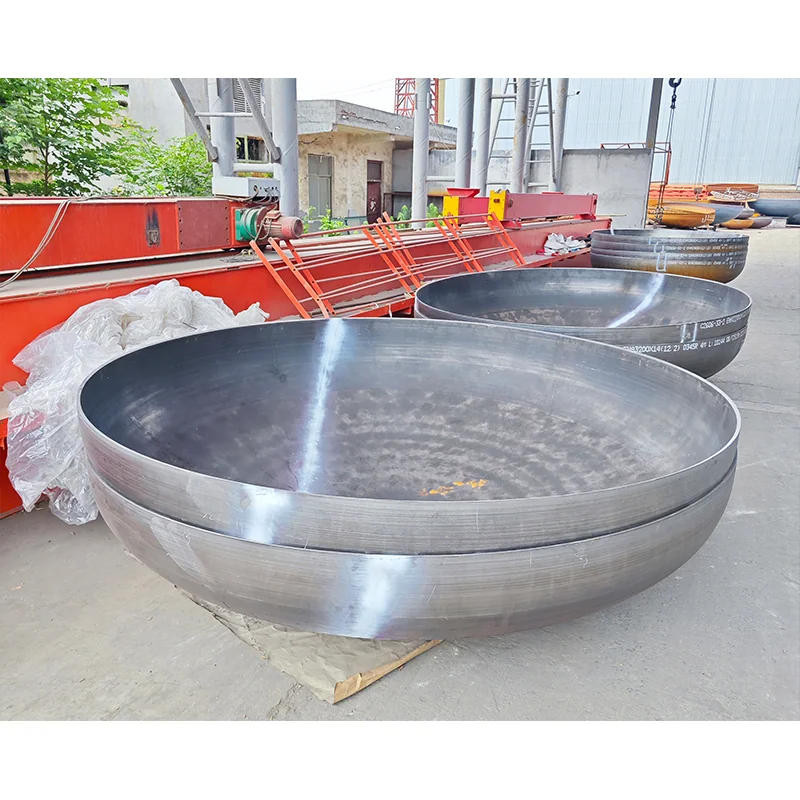
Ellipsoidal heads
Define the profile, depth and straight flange around your drawing.
Further Information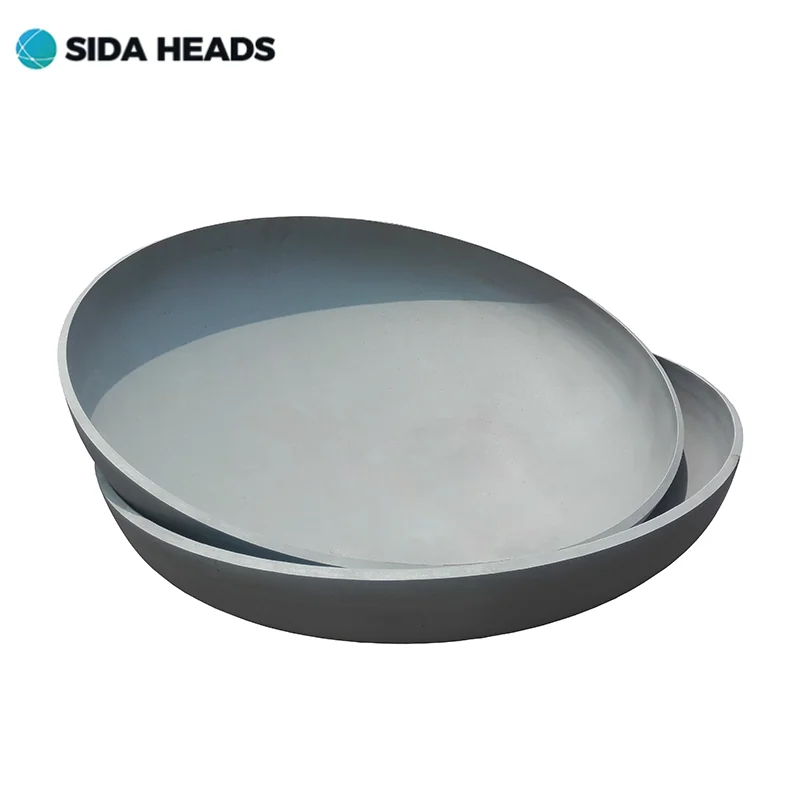
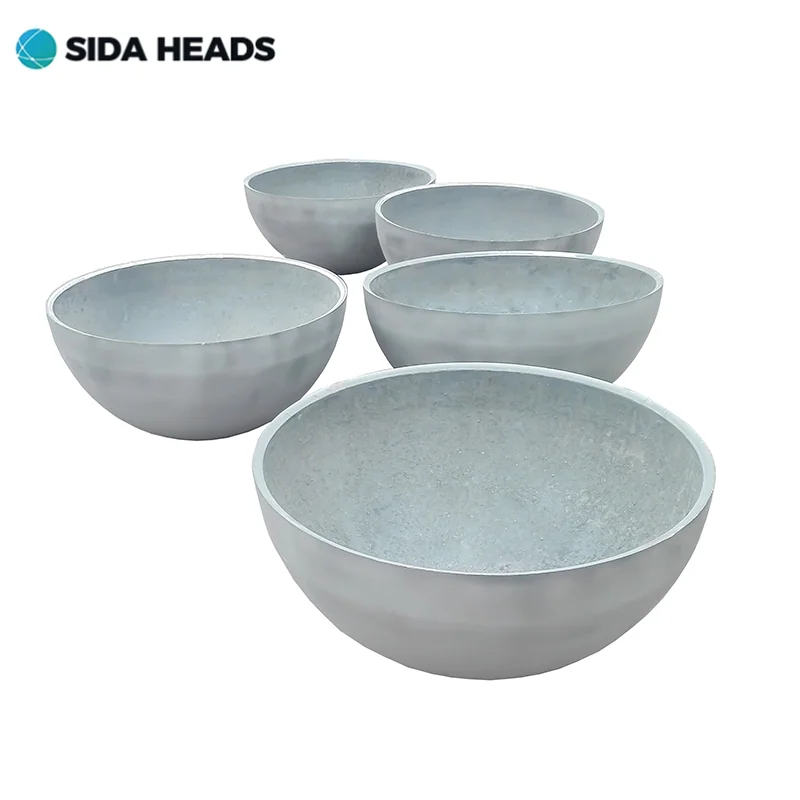
Select by material
Connect the required head profile with the material designation, thickness basis and document requirements.
Stainless Steel Heads| Head profile | Identify on the drawing |
|---|---|
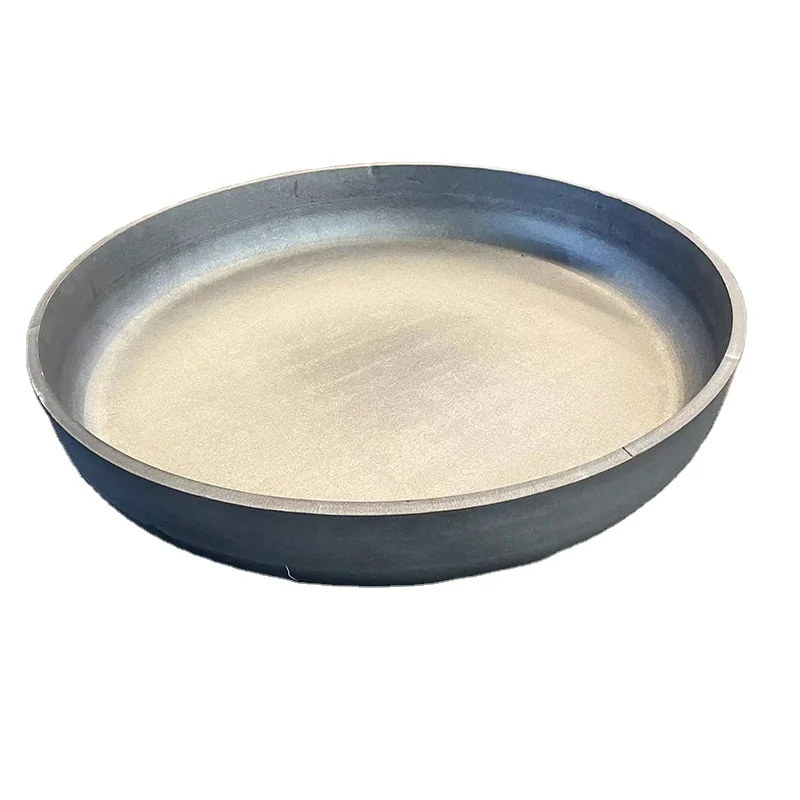
| Dished & flanged heads | Confirm crown radius, knuckle radius and edge geometry. |
| Ellipsoidal heads | Define the profile, depth and straight flange around your drawing. |
| Hemispherical heads | Clarify diameter, thickness and forming requirements. |
| Flat-bottom heads | Distinguish the base profile and the formed edge you need. |
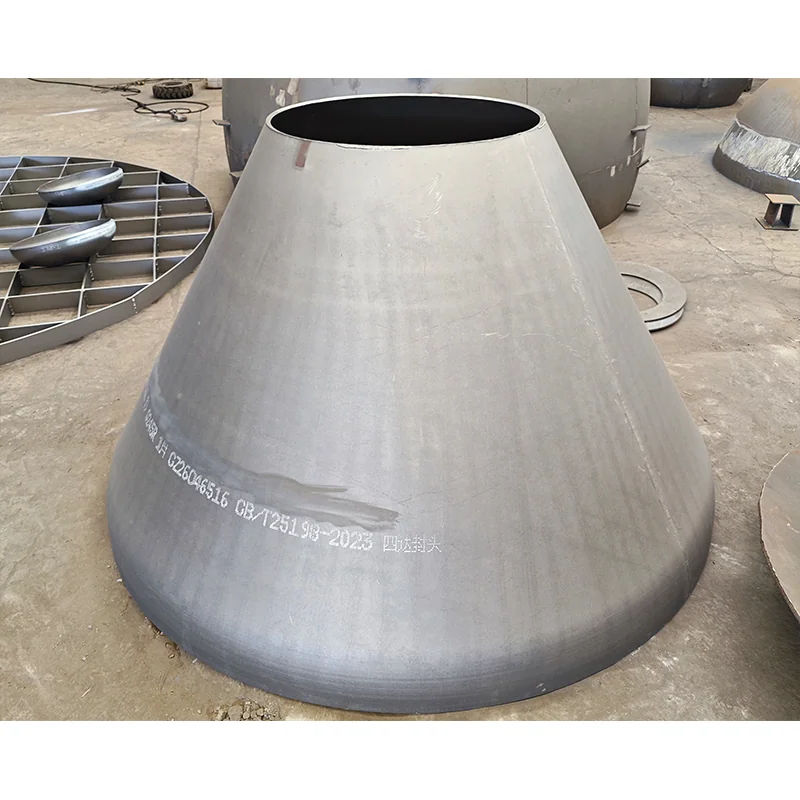
| Conical heads | Specify the large end, small end, height and connection details. |
Define the shape. Then define the dimensions.
A similar silhouette does not establish a geometry standard, material grade or pressure rating. Use a section drawing and the applicable project specification.
Schematic profiles only; no dimensions or manufacturing ranges are implied.
| Specification layer | Identify explicitly | Keep separate |
|---|---|---|
| Diameter | ID or OD, numerical value and unit | Inside and outside measurement surfaces |
| Thickness | Nominal plate or required formed minimum | Starting thickness and acceptance after forming |
| Depth & flange | Crown depth, overall height (H), straight flange (SF) | The datum and limits of each measurement |
| Standards | Design code, geometry standard, material specification and inspection requirements | Geometry designation and certification claims |
| Drawing | Revision, tolerances, quantity and required records | Known inputs and questions still to confirm |
LET’S DEFINE YOUR REQUIREMENTA drawing is a good start.
Discuss your project